

Key Takeaways
- Assisted living and memory care serve different needs.
- Memory care offers structured routines and around-the-clock support tailored for cognitive decline.
- Safety concerns, behavioral changes, and increased confusion can signal it’s time to transition.
- Family conversations go more smoothly when they start with compassion and the right support.
- Reaching out to a senior living team early can help your family feel more prepared.
A Question Many Families Are Asking Right Now
Watching a loved one’s needs change over time is one of the most tender and complex experiences a family can go through. You may have noticed small things for now, such as moments of confusion becoming more frequent, familiar routines feeling harder to manage, or safety becoming a growing concern. It’s natural to wonder whether the care your loved one is currently receiving is still the right fit, and at The Legacy of Farmington, we understand how much this question weighs on a family’s heart.
When assisted living no longer meets a loved one’s cognitive or safety needs, memory care can provide the specialized environment and support that helps them feel calm, connected, and cared for. Knowing when to make that move isn’t always obvious, but there are clear signs that can help guide your family forward.
The Difference Between Assisted Living and Memory Care
Assisted living is designed for seniors who need some help with daily tasks like bathing, dressing, or managing medications but who still maintain a good degree of independence. It’s a warm, community-centered lifestyle that supports residents in living life on their own terms.
Memory care is a more structured level of care built specifically for those experiencing Alzheimer’s or other forms of dementia. The environment, routines, and team members are all thoughtfully designed to reduce confusion and provide consistent, attentive support throughout the day and night. Both focus on safety, dignity, and quality of life. They simply serve different levels of need.
Signs It May Be Time To Consider Memory Care
Changes in Daily Safety
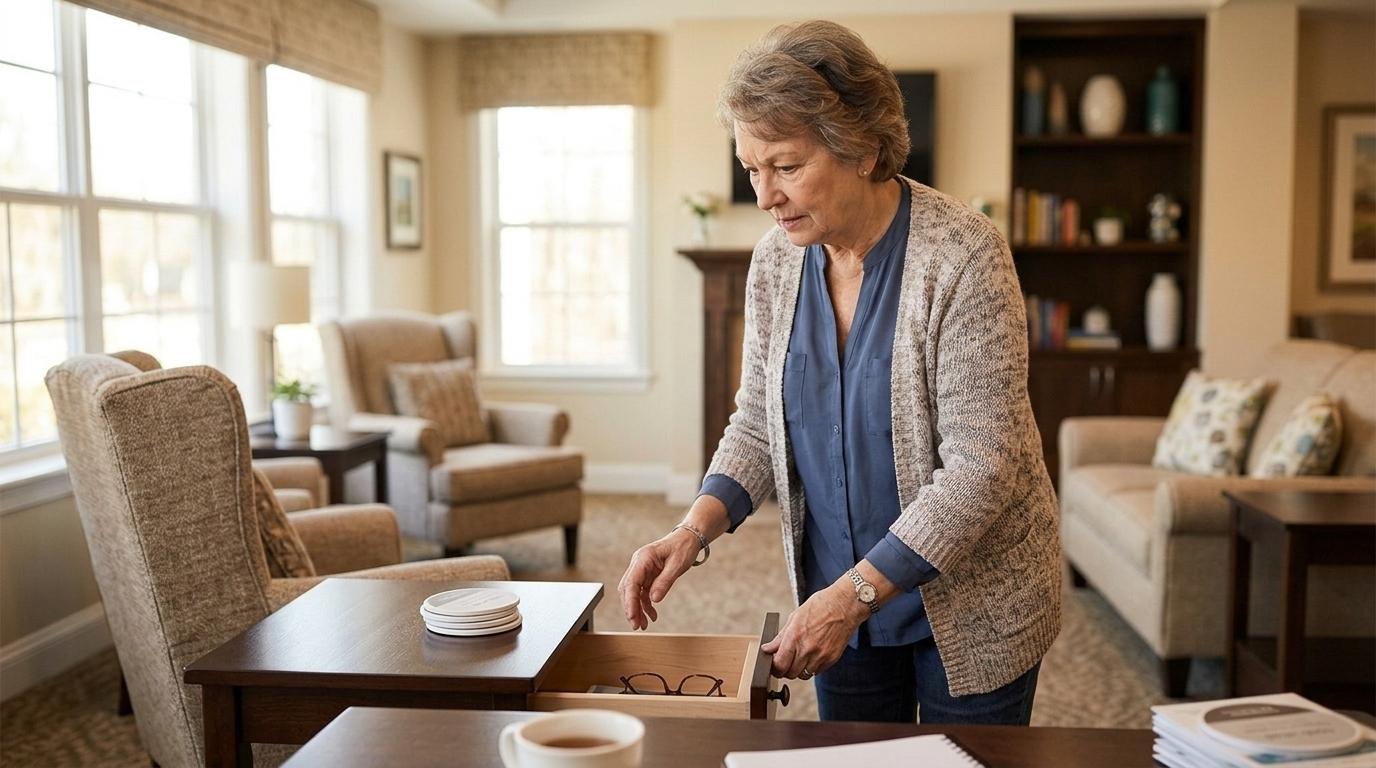
One of the clearest signals that a transition may be needed is a change in how safely your loved one moves through their day. Wandering, getting disoriented indoors, attempting to leave, or becoming confused about familiar surroundings are all meaningful concerns that assisted living environments may not be fully equipped to address.
Forgetting medications, leaving the stove on, or struggling to complete simple tasks that once felt second nature are also signs worth paying attention to. These aren’t just inconveniences. They’re moments where the right level of support can make a real difference in your loved one’s comfort and safety.
Shifts in Behavior and Communication
Cognitive strain often shows up in behavior before it shows up anywhere else, and behavioral changes can be just as telling as safety concerns. If your loved one is experiencing increased agitation, anxiety, or emotional outbursts that seem out of character, it may mean their current environment isn’t meeting their needs.
Difficulty recognizing familiar faces or places, including family members or their own living space, can be another sign that a more specialized level of care could bring greater peace and stability. It can also be helpful to understand the difference between normal forgetfulness and signs of dementia, so your family can approach the conversation with greater clarity.
How Memory Care Supports Your Loved One
Memory care communities are built around consistency. Structured daily routines help reduce the confusion and anxiety that often come with cognitive decline. When your loved one knows what to expect from their day, they tend to feel safer and more at ease. That predictability is a quiet but powerful form of support. You can learn more about what that day-to-day life looks like by exploring the services and programs offered at communities like The Legacy of Farmington.
Around-the-clock care from trained team members means that help is always close by, day or night. And purposeful activities like music, art, gentle movement, and meaningful social connection are woven into each day to nurture a sense of joy and belonging. It’s care that sees the whole person, not just the diagnosis.
How to Have this Conversation with Your Family
Start with Compassion, Not Pressure
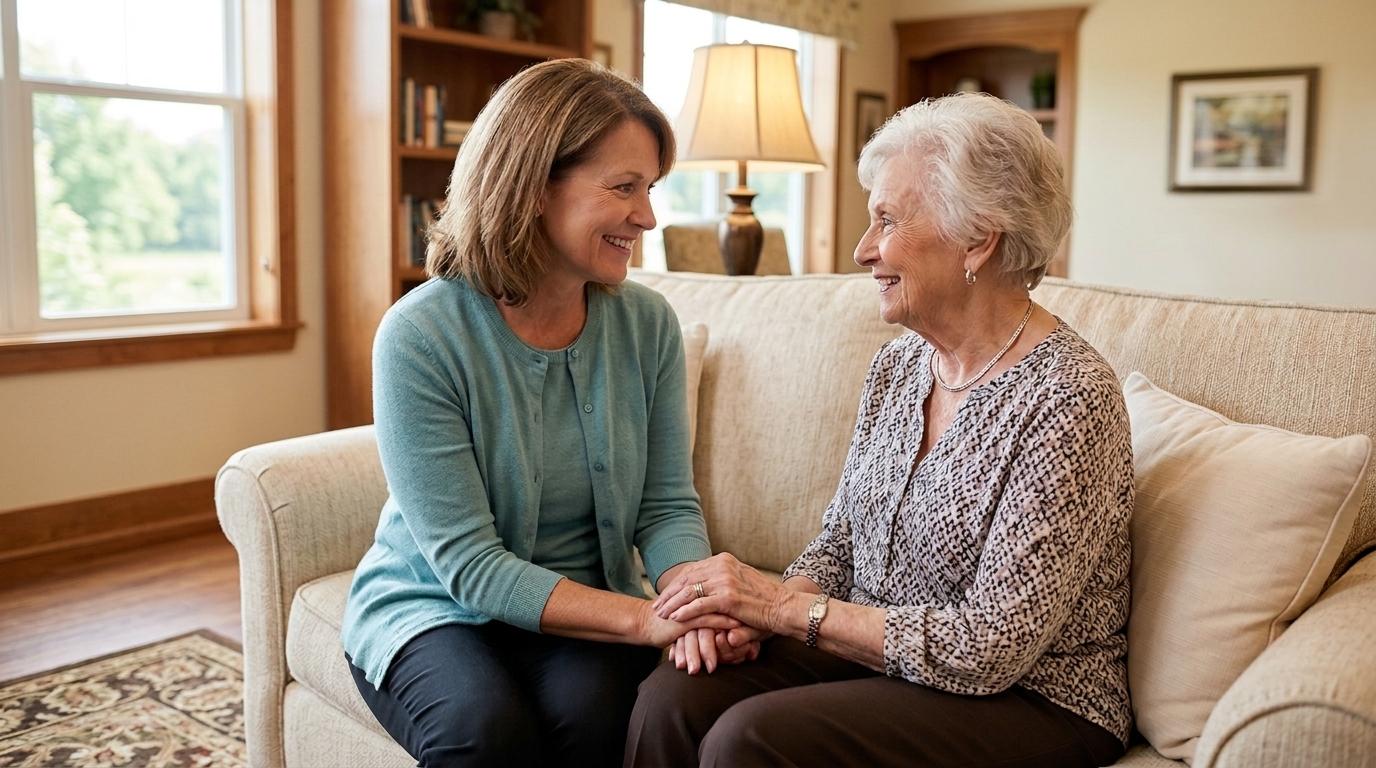
Bringing up a care transition can feel daunting, but the conversation doesn’t have to be. Leading with love and focusing on your loved one’s comfort and safety — rather than logistics — can help set a gentler tone. Whenever possible, involve your loved one in the discussion so they feel respected and heard.
There’s no single right way to have this conversation, and it’s okay if it takes more than one. What matters most is that your loved one feels seen, not pushed. If caregiver stress is weighing on you, recognizing the signs of caregiver stress early can also help your whole family move through this process with more steadiness.
Lean on a Senior Living Team for Guidance
You don’t have to figure this out alone. Care teams at senior living communities can help assess where your loved one is today and where they may be headed so your family can plan with clarity instead of uncertainty. That kind of support can take a real weight off everyone’s shoulders.
A tour of a memory care community can also ease a lot of worry. Seeing the space, meeting the team, and getting a feel for the environment helps families move forward with more peace of mind.
The Next Step Forward for Your Loved One
The Legacy of Farmington Senior Living has a care team here to walk alongside your family through every question, every uncertainty, and every step of the transition. Early conversations tend to lead to smoother transitions, so reaching out sooner rather than later can make a meaningful difference for everyone involved.
Memory care can open the door to more good days, less struggle, more connection, and more moments of genuine joy. If you’re wondering whether it might be time, that wondering is worth exploring. Reach out today to schedule a visit and see what memory care can look like for your loved one.