
Key Takeaways
- Occasional forgetfulness is a normal part of aging and doesn’t always signal something serious.
- Dementia affects far more than memory, touching daily function, behavior, and personality.
- Knowing the difference helps families respond with compassion rather than fear.
- Memory care communities offer structure, connection, and thoughtful daily support.
- Taking small steps early, like documenting changes, can make a big difference for your loved one.
When Memory Changes Become Worth a Closer Look
It happens to everyone. You walk into a room and forget why you’re there. A name sits right on the tip of your tongue but won’t come out. For most families, these little moments raise a quiet question: is this just getting older, or is it something more?
Not every memory slip points to dementia, but there are clear signs that go beyond normal aging, and learning to tell them apart can help your family respond with care and calm. The goal is to not panic and to feel informed, so you can show up for your loved one in the most supportive way possible. At The Legacy of Farmington, we understand how much this question matters, and memory care is just one of the ways we are here to help.
Common Signs of Normal Age-Related Memory Changes
What Typical Memory Lapses Look Like
Normal, age-related forgetfulness tends to be mild and short-lived. Your loved one might forget someone’s name in the moment but recall it an hour later. They might misplace their glasses once in a while without feeling confused or distressed about it. Slower recall is common, and a small nudge or reminder is usually all it takes to bring the memory back.
These kinds of lapses are simply part of how the brain changes over time. They’re frustrating, sure, but they don’t get in the way of daily life in any meaningful way. The National Institute on Aging offers a helpful look at how to distinguish typical forgetfulness from changes that may need more attention.
When to Feel Reassured
If your loved one’s memory slips aren’t disrupting their routines, that’s a good sign. They’re still cooking their favorite meals, managing their schedule, and showing up as themselves in conversation. Their personality feels the same, their judgment seems sound, and they’re not making unusually poor decisions.
Reassurance comes from consistency. When forgetfulness stays small and isolated, it’s much more likely to fall within the range of typical aging.
Warning Signs That May Point to Dementia
Memory Changes to Watch For
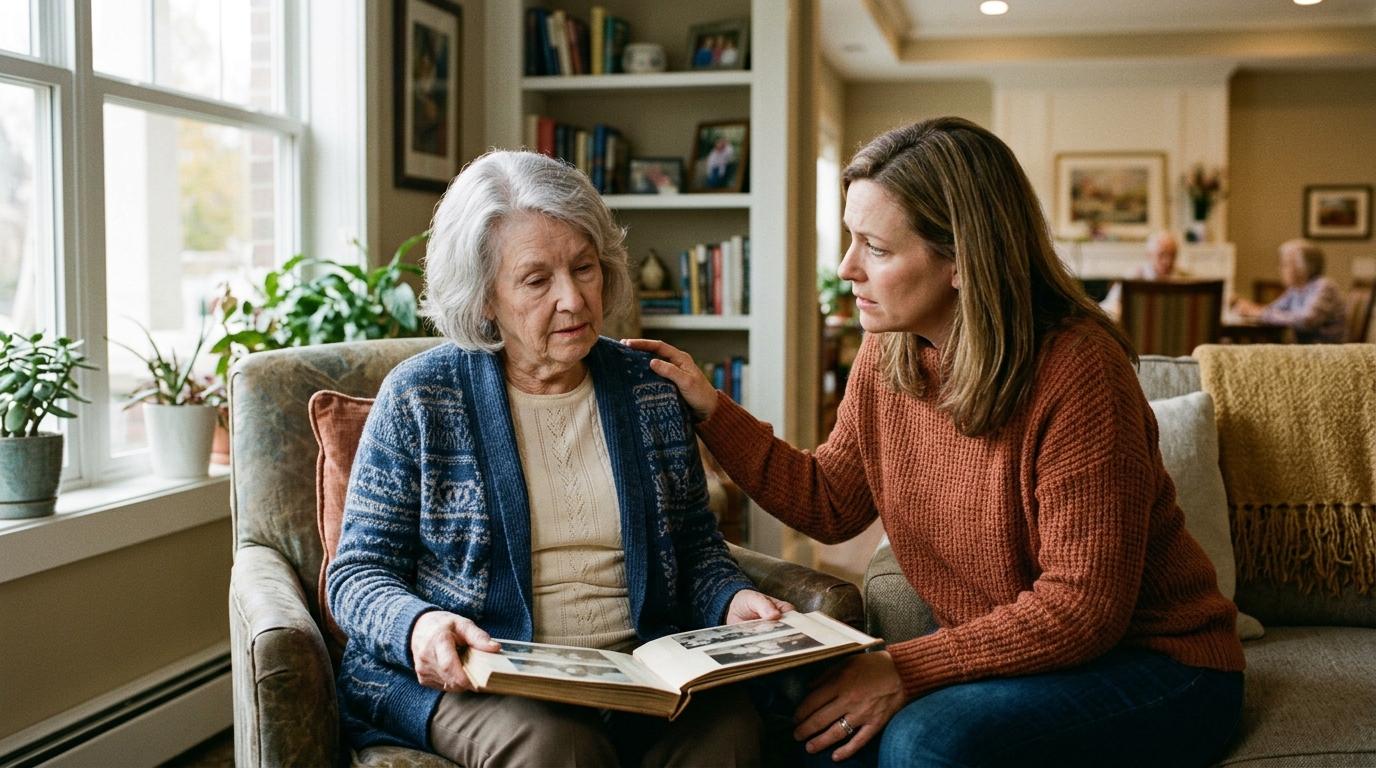
Dementia-related memory changes tend to look different from everyday forgetfulness. Instead of forgetting a name and recalling it later, your loved one might ask the same question 3 or 4 times within the same conversation, with no memory of having asked before. Forgetting entire recent events, not just minor details, is another pattern worth noting.
These aren’t small blips. They’re recurring gaps that don’t fill back in, even with gentle reminders or cues. Reviewing the 10 early warning signs of Alzheimer’s and dementia from the Alzheimer’s Association can help your family know exactly what to look for.
Behavioral and Daily Life Changes
Dementia often shows up in behavior before families fully recognize it as a memory concern. Your loved one might seem confused in familiar places, like their own neighborhood or a home they’ve lived in for decades. They may struggle with tasks they’ve always handled with ease, like paying bills, preparing simple meals, or keeping track of medications.
Shifts in mood or personality are another signal. Someone who was once patient and easygoing might seem unusually anxious, withdrawn, or suspicious. These changes can feel subtle at first, but over time they become harder to overlook. Learning more about what dementia involves can help your family feel more prepared.
How to Support a Loved One After You Notice the Signs
Steps Families Can Take
If something feels off, starting a gentle conversation is a caring first step. There’s no need to frame it as a concern or a confrontation. Simply checking in, expressing that you’ve noticed some changes and that you’re there for them, can open a door that feels safe and warm rather than scary.
Writing down specific examples, like what happened, when, and how often, gives a doctor something concrete to work with. A clear picture of the changes makes it much easier to get the right kind of support early on.
Memory Care as a Path Forward
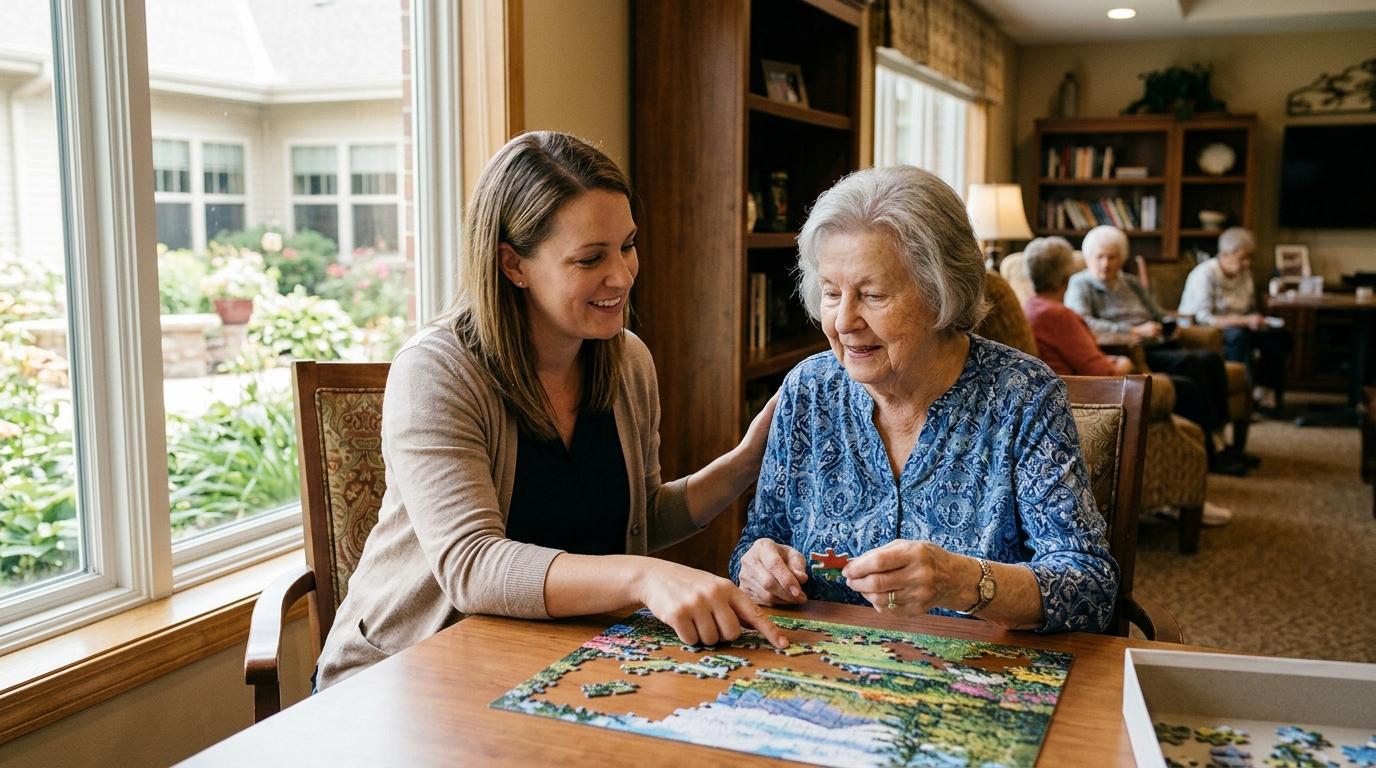
Memory care communities are designed to meet your loved one exactly where they are. The structure of a consistent daily routine, a safe and familiar environment, and a team that genuinely knows each resident can bring a real sense of calm to someone navigating memory changes.
For families, there’s also something deeply reassuring about knowing their loved one is surrounded by people trained to respond with patience and warmth. It’s not about giving something up. It’s about gaining a whole team of people who care.
Next Steps for Your Family
Every family’s journey looks a little different, and there’s no single right answer. Senior living offers a range of care levels, from assisted living to memory care, so your loved one can receive the right amount of support at every stage.
At The Legacy of Farmington, our door is always open. Touring our community can give your family a chance to see the environment, ask questions, and get a real feel for what daily life looks like. Sometimes all it takes is one visit to feel a little more grounded, and a little more ready for whatever comes next.