

Key Takeaways
- Dementia typically progresses through early, middle, and late stages, with symptoms becoming more noticeable over time.
- Early-stage dementia often includes mild memory lapses, while later stages require increasing support with daily activities and communication.
- Consistent routines, calm communication, and familiar environments can help reduce confusion and provide comfort.
- Safety concerns, including wandering and medication management, often become more important as dementia progresses.
- Memory care communities provide structured routines, secure environments, meaningful activities, and personalized support for changing needs.
How Dementia Progresses Over Time
Watching a loved one experience dementia can bring uncertainty, especially when changes begin gradually. A misplaced item, forgotten conversation, or missed appointment may not seem significant at first, but those moments can become more frequent as the condition progresses. Understanding what to expect at each stage can help families respond with greater confidence and prepare for the future.
Although every person’s experience is unique, dementia generally progresses through early, middle, and late stages. Each stage brings different physical, cognitive, and emotional changes that affect everyday life. Learning how those changes develop can also make it easier to recognize when additional support, such as memory care, may help your loved one remain safe and comfortable.
The Stages of Dementia
Dementia develops gradually, and symptoms often change over months or years rather than overnight. While progression varies from person to person, recognizing the characteristics of each stage can help families understand what their loved one is experiencing and prepare for what comes next.
Early-Stage Dementia
Early-stage dementia often begins with subtle memory lapses that can be mistaken for typical aging. Your loved one may repeat questions, misplace belongings, struggle to find the right words, or have trouble keeping track of appointments. They usually remain independent but may become frustrated as they notice these changes themselves. Recognizing the early signs of dementia can help families seek guidance sooner and begin planning for the future.
Middle-Stage Dementia
As dementia progresses, daily activities often require more support. Managing medications, preparing meals, handling finances, and getting dressed may become increasingly difficult, while confusion about time, places, or familiar faces may become more common. Behavioral changes, including anxiety, irritability, or repetitive actions, may also develop. Families often find this stage requires greater flexibility as care needs continue to evolve.
Late-Stage Dementia
During the later stages of dementia, people typically rely on others for most daily activities. Communication may become limited, mobility often declines, and eating or swallowing can become more challenging. Familiar faces and surroundings may no longer be recognized consistently. At this stage, compassionate, around-the-clock support often becomes an important part of maintaining comfort and dignity.
How Dementia Changes Daily Life
The progression of dementia affects far more than memory. Everyday routines, relationships, communication, and personal safety all change over time, requiring families to adapt their approach while continuing to provide reassurance and familiarity.
Daily Routines Become More Important
Consistent routines can help reduce confusion and create a greater sense of security. Regular mealtimes, familiar activities, and predictable schedules provide structure when memory becomes less reliable. Even small routines, such as sitting in the same chair for breakfast or taking a walk at the same time each day, can make daily life feel more manageable. As dementia progresses, those familiar patterns often become increasingly valuable.
Communication Changes Over Time
Conversations may become more difficult as dementia affects language and memory. Your loved one might struggle to find words, repeat questions, or lose track of discussions. Speaking calmly, using simple sentences, and allowing extra time for responses can reduce frustration for everyone involved. Sometimes, a reassuring smile or gentle touch communicates more than words ever could.
Safety Becomes a Greater Concern
Changes in judgment and memory can increase everyday safety risks around the home. Forgetting to turn off appliances, wandering outside, or missing medications may become more common as dementia progresses. Families often find themselves making adjustments to reduce hazards while helping their loved one maintain as much independence as possible. Reviewing safety concerns regularly allows those changes to happen gradually instead of during a crisis.
How Memory Care Supports Changing Needs
As dementia advances, the level of support someone needs often changes as well. Memory care communities are designed specifically for people living with dementia, and they know how to help every day.
Structured Daily Routines
Predictable schedules help create familiarity throughout the day. Regular meal times, planned activities, and consistent daily rhythms can reduce anxiety while making everyday transitions feel less overwhelming. These routines also help caregivers anticipate residents’ needs and provide support before challenges arise. That consistency can make each day feel calmer and more comfortable.
A Safe and Supportive Environment
Memory care communities are thoughtfully designed to support people living with dementia. Secure surroundings help reduce the risk of wandering, while carefully planned layouts make it easier to navigate daily life. Team members are available to provide assistance throughout the day as needs change. Together, these features create an environment that supports both safety and independence whenever possible.
Meaningful Activities and Engagement
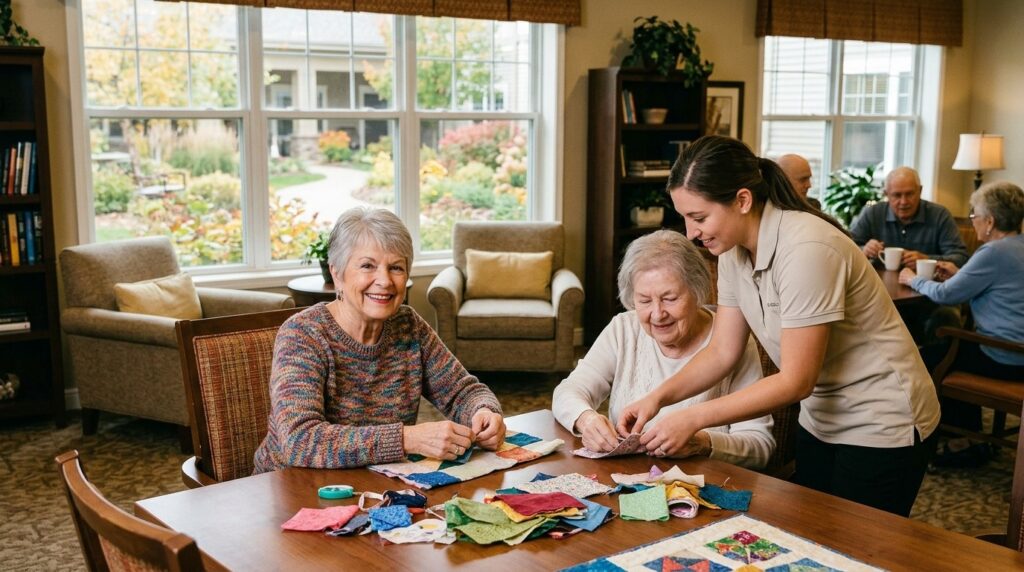
Purposeful activities remain an important part of daily life throughout the progression of dementia. Music, art, games, gentle exercise, and social gatherings encourage participation while supporting cognitive and emotional well-being.
Support for Families
Memory care also provides support for the people walking alongside their loved one. Families benefit from regular communication, guidance, and the reassurance that their loved one is receiving compassionate care in a structured environment.
How to Plan for the Future
No two people experience dementia in exactly the same way, but planning ahead can make each stage easier to navigate. Learning about the progression of dementia, recognizing changing needs, and exploring memory care options before an immediate decision is necessary gives families more flexibility and confidence. Taking those steps early can help reduce stress while ensuring your loved one receives support that reflects their individual needs.
At The Legacy of Farmington, we’re here to help families understand their options and find compassionate memory care that adapts as needs change. If you have questions about dementia progression or would like to learn more about our community, we’re happy to help. Schedule a tour with The Legacy of Farmington today to learn more about our memory care community.